Arduino Simulator Software Free Download
вторник 22 января admin 57
• • • • • • • • • • • Launched in 2005, the Arduino open hardware and software platform has grown to be very popular among hobbyists, educators, and professionals alike, gaining momentum especially in the robotics field. Backed by a massive online community, and with most development boards and hardware accessories available at very low prices, this platform is perhaps the best place to start in working with embedded devices.
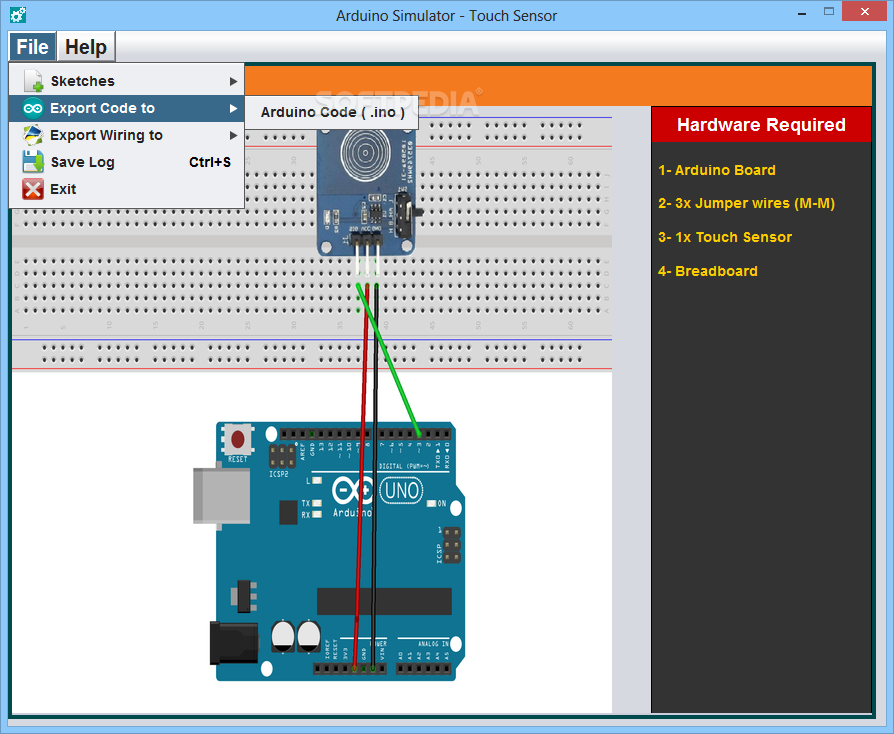
Arduino Simulator 1.5.1 This Arduino Simulator is designed to simulate your. Internally this program uses the open source Simavr AVR Processor Simulator.
But what if you want to learn programming and do not own an Arduino board, or are overwhelmed by the selection of hardware out there? This is where simulation software comes in. Virtual Breadboard work area These products generally create a virtual environment in which not only can you write code but you can also create electronic circuits to test the behavior of your code.
In the selection of software presented below you will notice that very different sets of features are offered by each application. Some offer vast libraries of hardware to select from, while others allow you to develop in visual environments and show results in graphical form, while others plot graphs and display data sets.
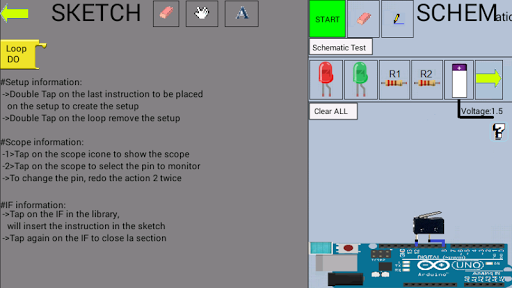
Some even accurately render your project in 3D and allow data export for professional fabrication of electronic circuits or elements. You will also find MCU emulators, as we will discus later in the article, that execute program instructions in the exact same way real hardware would. Some of these products are completely free and open source, while others cost several times more than hardware. Speaking of cost, why would you bother with such software when boards and accessories come so cheap? Mpls fundamentals download. Well, there are a number of features and advantages that simulation software offers, compared to a standard IDE and hardware combos.
For instance debugging features are very extensive in some simulators, and you can also observe and correct functional errors of your programming, while IDE software debuggers address only non-functional or technical mistakes in code, such as improper declarations, invalid objects or syntax errors. In visual simulation environment you can actually see what your program does, so you can alter it on-the-fly if necessary, or build new functionality in a very creative way. You can also log and plot output data, to check how hardware responds in a given situation.